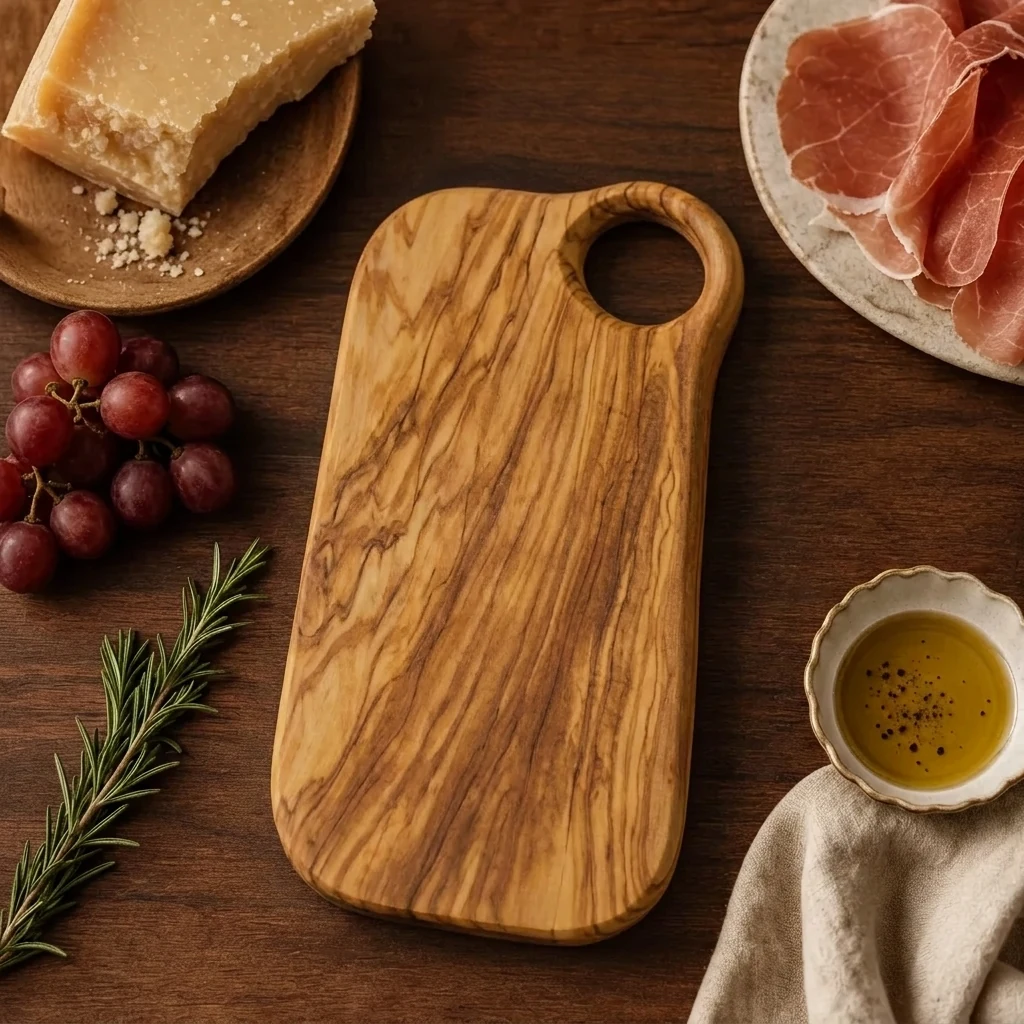
I asked where the wood came from and for once somebody answered
Reader Story, Ohio — August 2026
An olive tree gives a hundred years of fruit, then it stops. What happens to the trunk after that is the whole of this board.
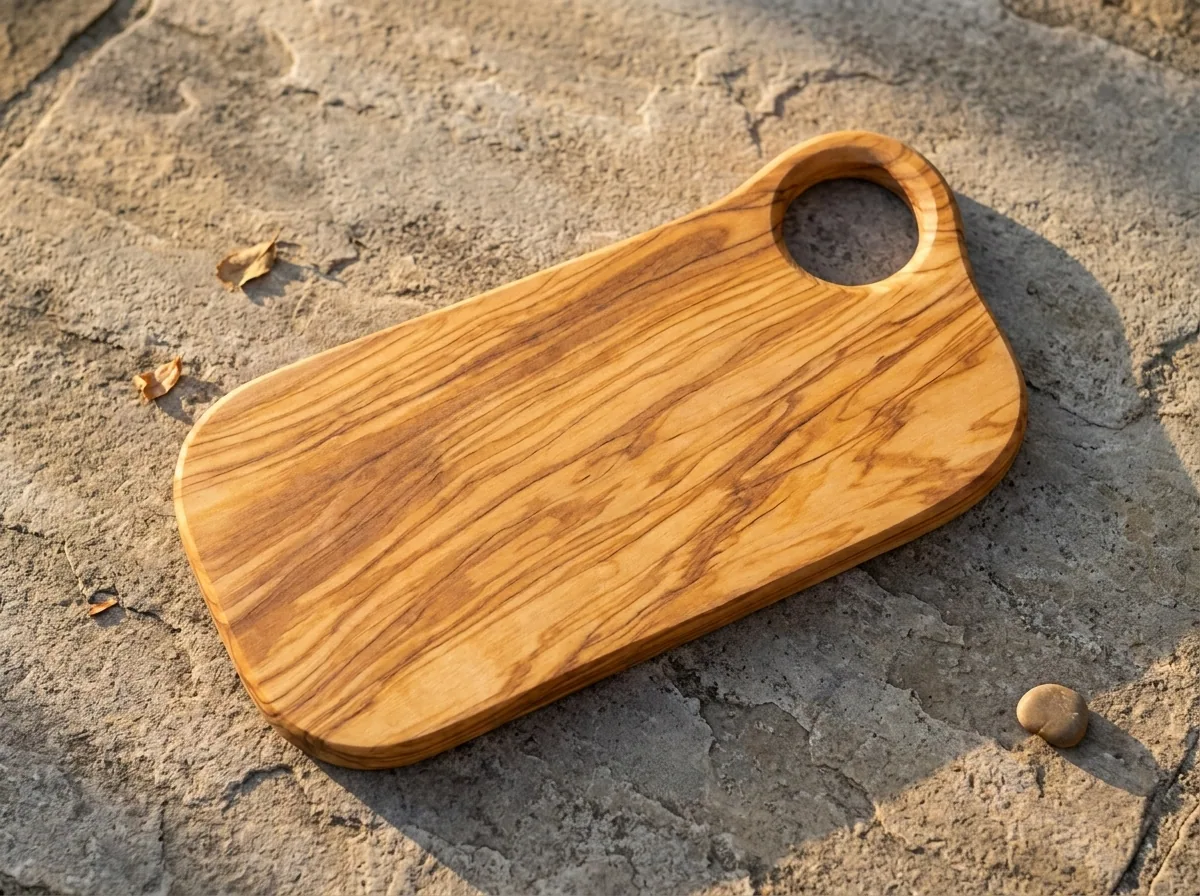
I have a habit that annoys my family. When I buy something made of wood I ask where the tree was. Usually there is no answer — a customer service reply that says sustainably sourced and means nothing.
In March I asked a small workshop in Piedmont. The man wrote back the same evening with the region, the approximate age of the trunk, and why the farmer had pulled it out of the ground. It took me twenty minutes to read, because he explained the whole of it.
I had never been given an answer like that in sixty-three years of buying things.
An Olive Tree Gives a Hundred Years of Fruit, Then It Stops
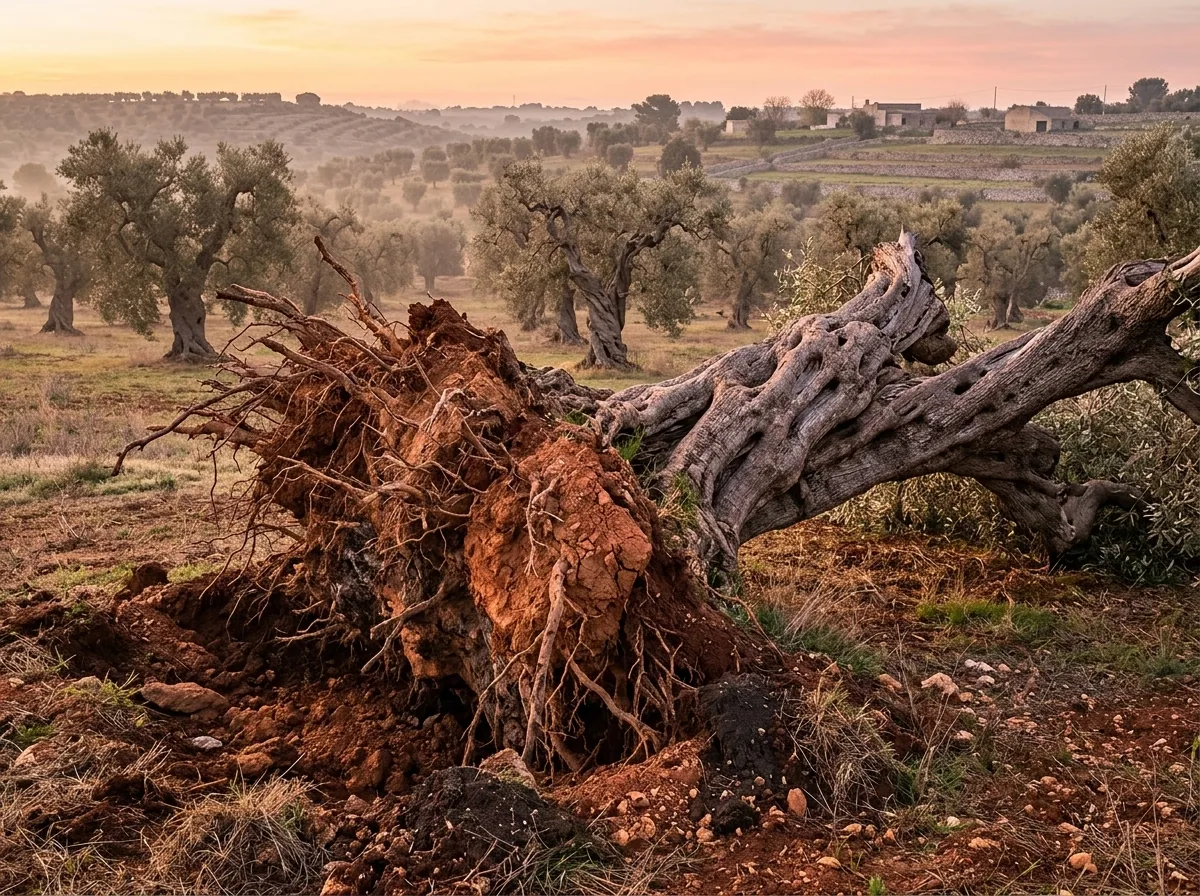
That is the whole mechanism, and I did not know it before this spring. An olive tree in southern Italy produces for roughly a century. Then the yield falls away and the farmer takes it out to plant a young one.
Those trunks used to be burned. Firewood, or left at the edge of the grove.
In 1965 a man named Marco Bertolino started driving down to Apulia to collect them. His son Giuseppe still does it, six decades later. They have never cut down a living tree — they wait for the farmer to call.
So the wood in this board is older than almost anything else in a kitchen, and no grove was cleared to get it.
Why a Hundred Years Cannot Be Manufactured
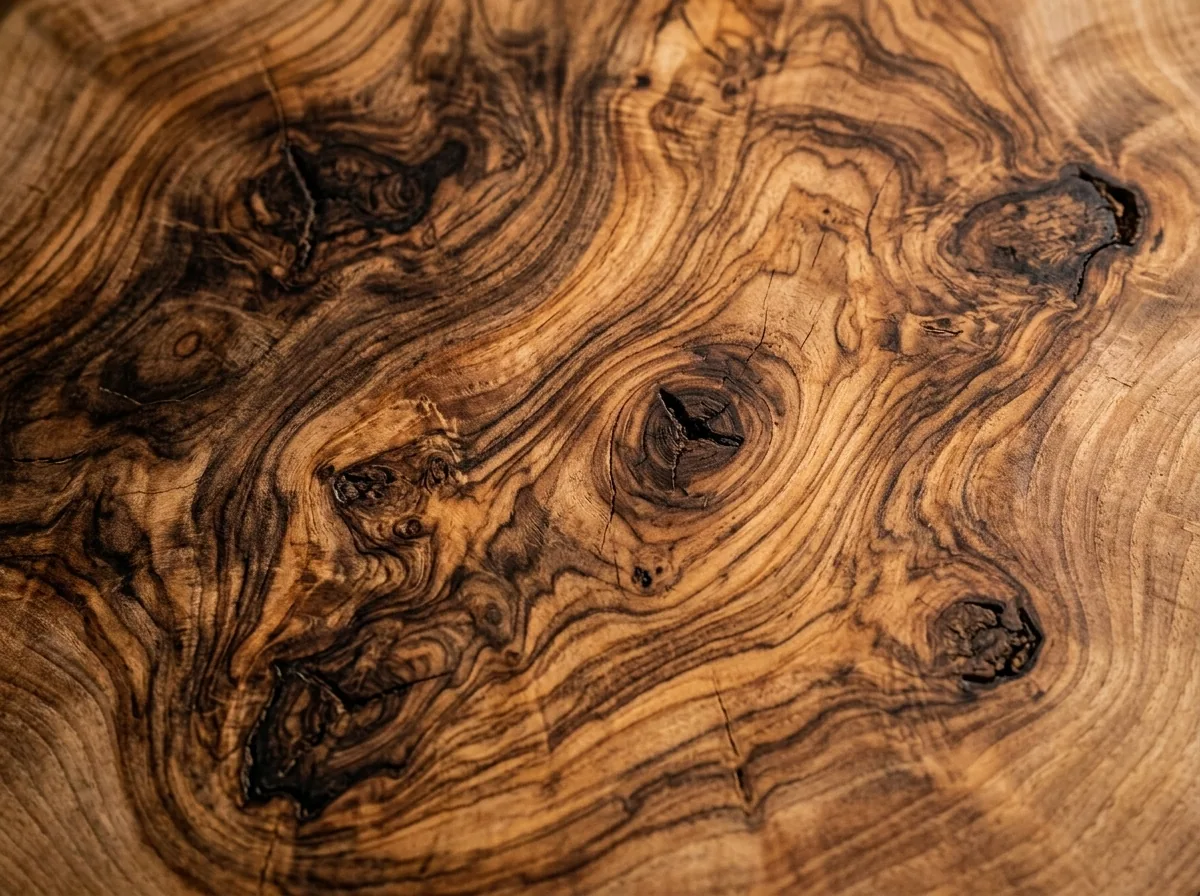
Here is what I had never understood. A commercial hardwood board comes from a tree felled at thirty to sixty years. An olive trunk that has stood a century in dry stony soil has laid down rings so tight they are difficult to count.
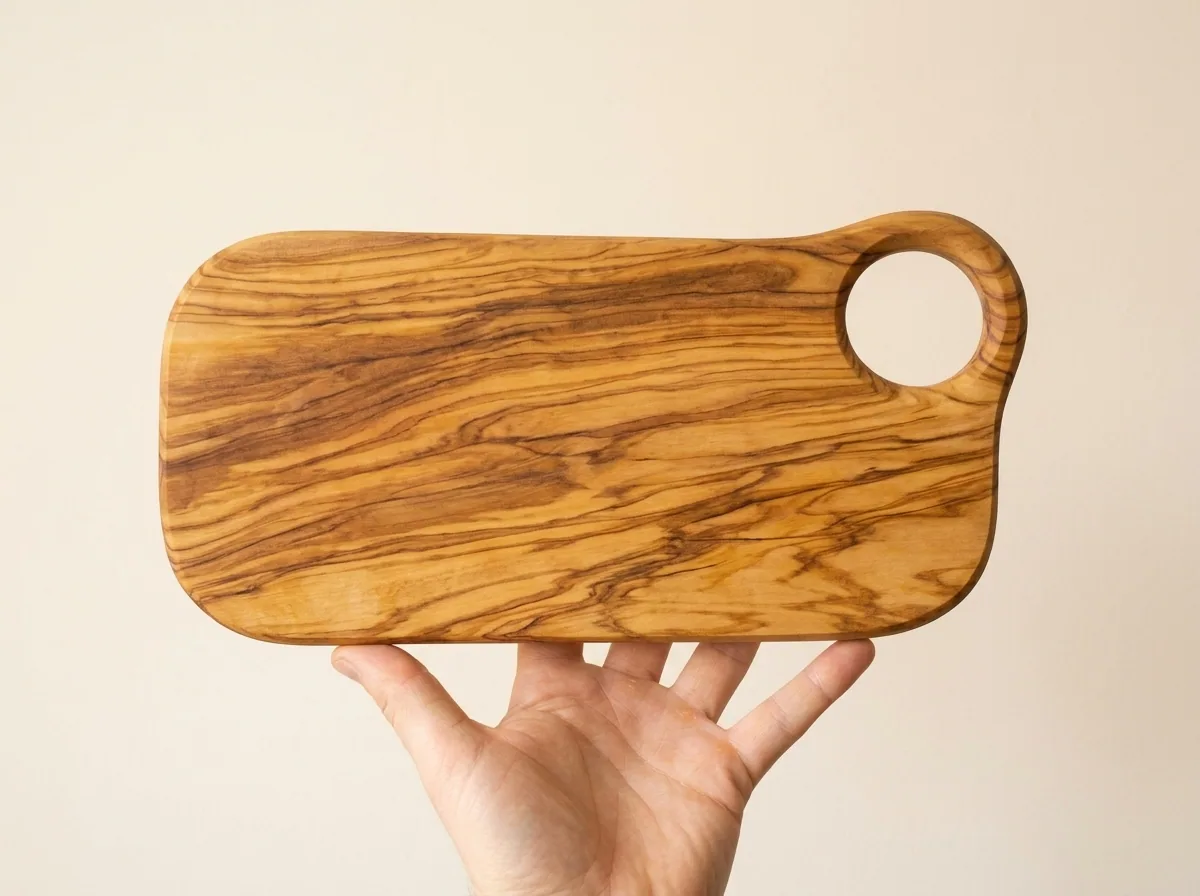
You feel it before you see it. The finished board is six by eleven inches and weighs just over two pounds. There is no way to make a young tree that dense.
The grain does not run in lines either. A hundred years of drought, pruning and lost branches turns it back on itself, so two slabs cut four inches apart look unrelated.
Then It Waits Two More Years
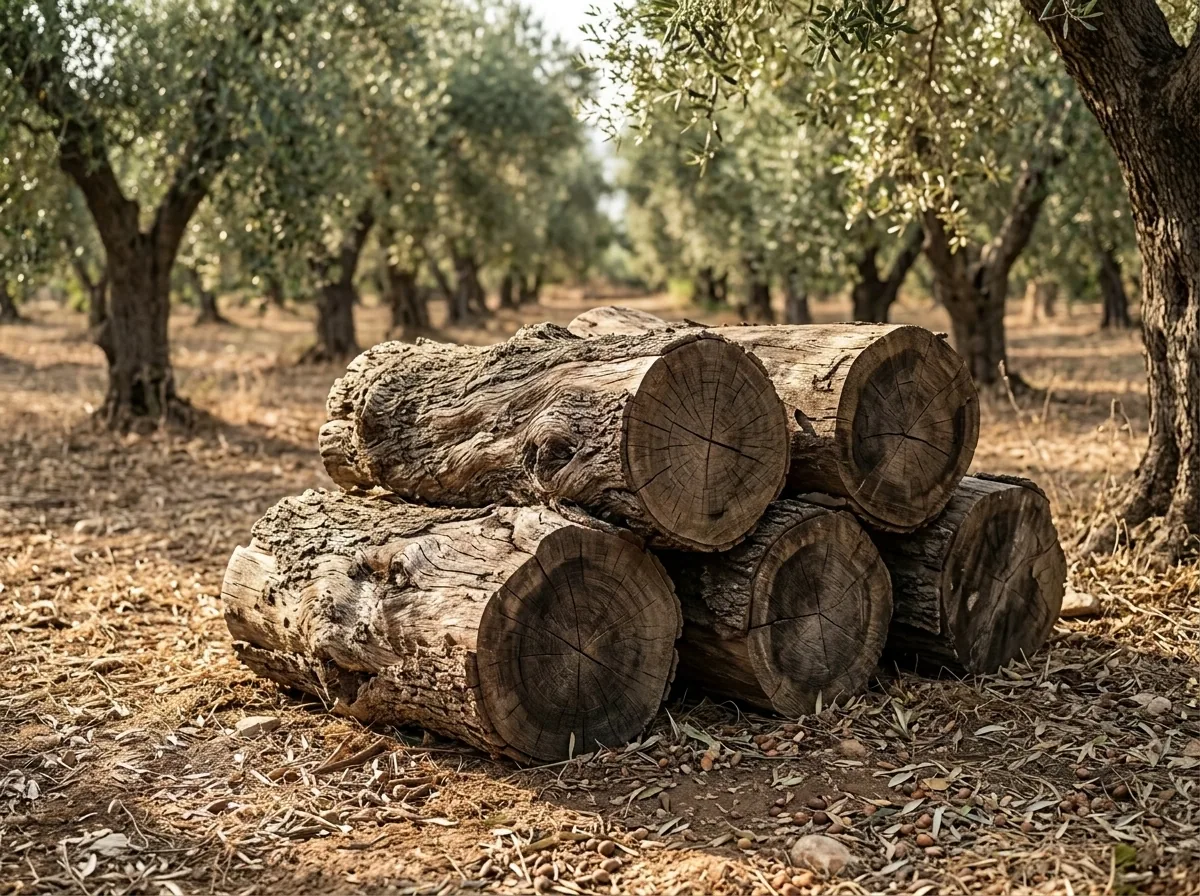
What surprised me most is what happens next: the trunk dries outdoors in Apulia through two full summers before anyone touches it. It splits along its own weak lines while nothing is at stake, so what survives has already finished moving. Giuseppe loses roughly half of every trunk at that stage and considers it money well spent.
A kiln does this in days, and the wood finishes moving in your kitchen instead.
What is left he cuts as one slab — never glued from smaller pieces — then seven hours of finishing and walnut oil from a press fourteen kilometres away. Two years and seven hours, for a board that costs seventy-seven dollars.
The Three Things I Checked Before Ordering
I had never heard of them, which is the objection I would have too. There is no shop and no brand I recognised. The story was checkable and the return window is thirty days, so I ordered.
The price sits against roughly two hundred dollars for the same kind of slab behind glass in a boutique. I stopped comparing it to boards in a store.
The size — six by eleven inches — is smaller than a platter and deliberately so. It stays on the counter instead of on edge in a cupboard. I measured before ordering and I would tell you to do the same.
What It Has Done Since
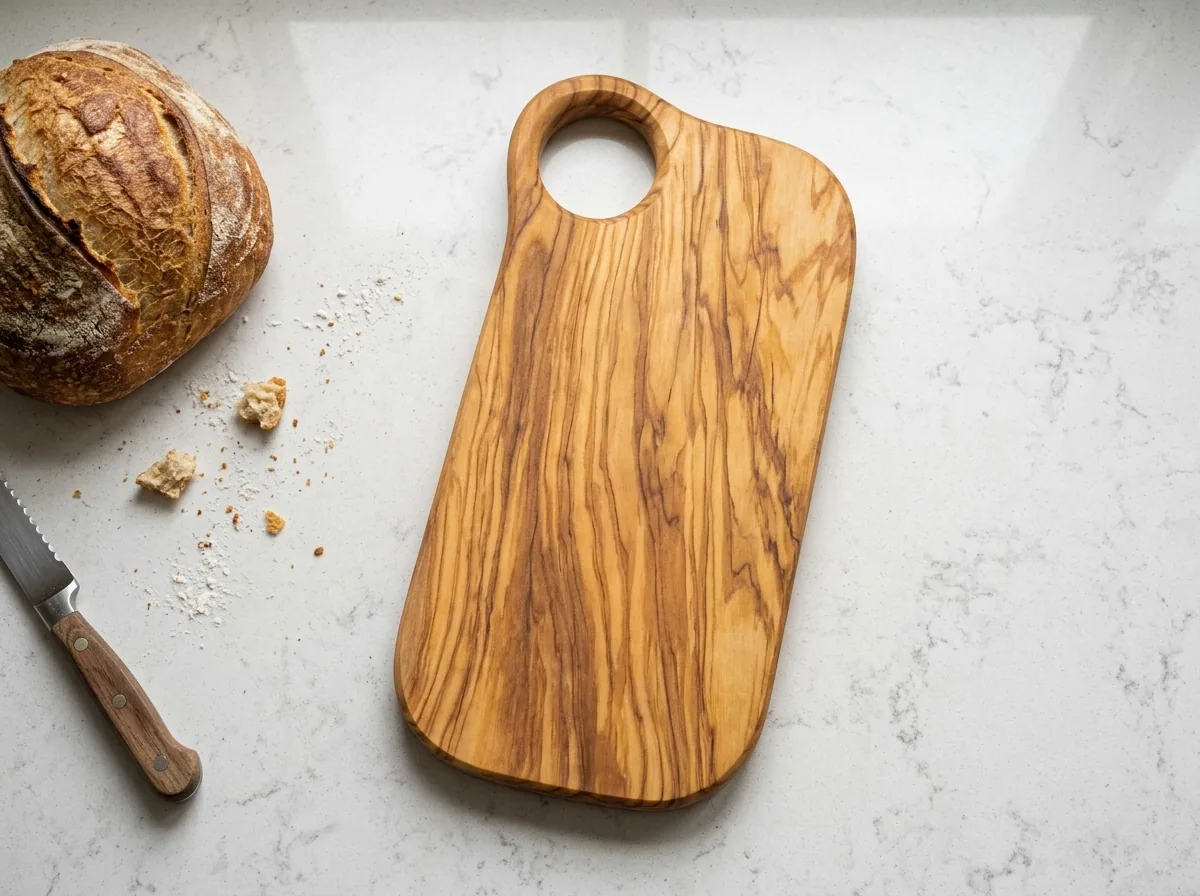
Five months on, it has not been put away once. Bread lives on it, and I notice it every morning. Olive wood darkens rather than wearing out, and light knife scoring closes over within days because the grain is dense and turned. A wipe of oil once a month is the whole of the maintenance.
Of the four hundred boards shipped between 2003 and 2008, three hundred and twelve are confirmed still in daily use. A restaurant in Tuscany is using one finished in 2003.
Two Hundred Boards, Then He Stops
In November a national cookware chain offered to buy the entire back room and sell the boards behind glass at more than twice the price. He said no.
He is sixty-one. A surgeon in Cuneo told him in January that at this pace he has about two years before he cannot lift his grandchild without screaming.
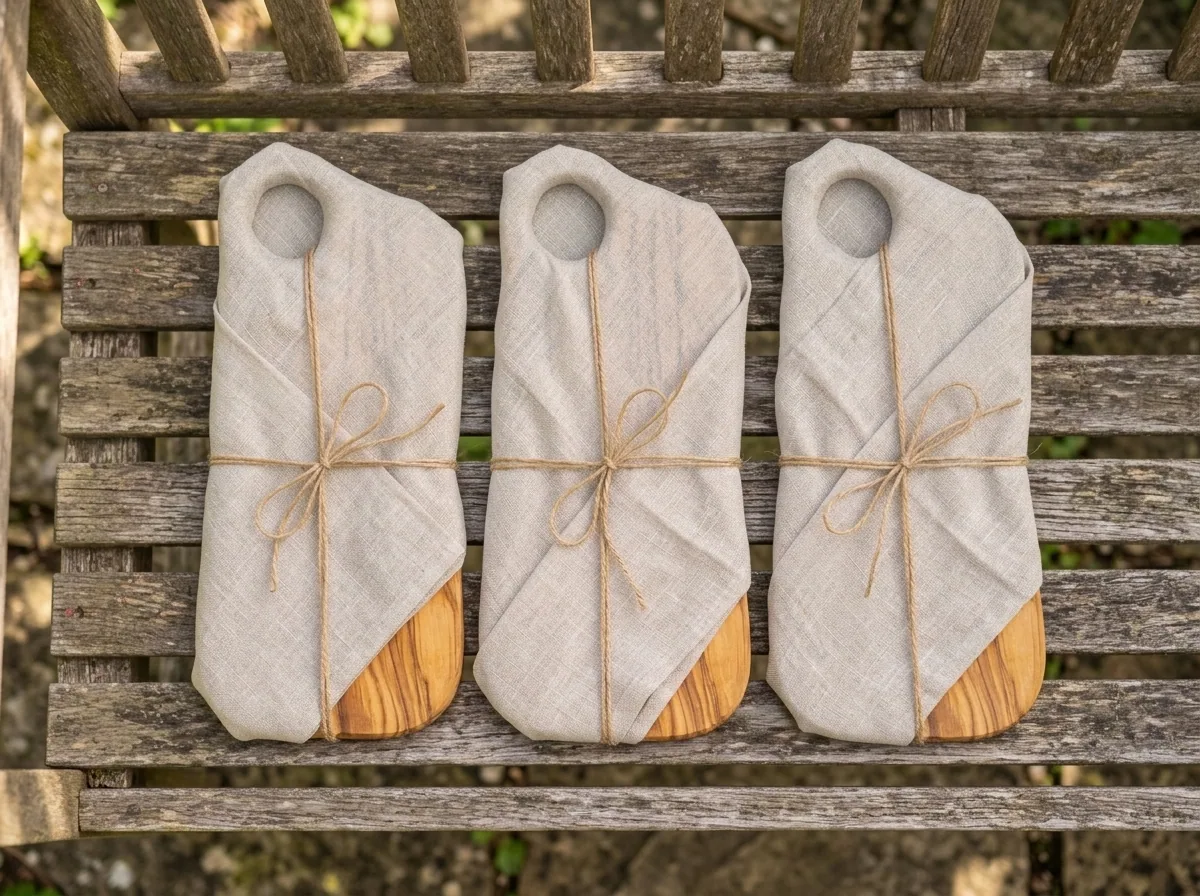
So the last two hundred go direct from the workshop at seventy-seven dollars, with a thirty-day return and return shipping paid if the grain does not stop you when the linen comes off.
I still ask where the tree was. This is the only time the answer has been worth the asking.
Margaret R., Ohio — August 2026
He will turn it over, run a thumb along the grain, and ask the only question that matters: “How old was the tree?” That is the question this board makes people ask.
- 6 × 11 inches — it sits on a counter, not in a cupboard.
- One solid slab of olive wood. Never glued, never pressed.
- $77 today, 61% off.
- 30 days to send it back, for any reason.